Browsing The EVO Implantable Collamer Lens Trip: Comprehensive Overview


Uploaded By-Mikkelsen Wilcox
Recently, the need for efficient vision correction options has increased, causing many individuals to explore alternatives to conventional methods like spectacles or contact lenses. One of the most exciting solutions gaining traction is Implantable Collamer Lens (EVO ICL). Offering a distinct combination of comfort and accuracy, the EVO ICL provides a feasible option for those seeking permanent vision correction, especially for conditions such as severe nearsightedness and astigmatic conditions. This comprehensive guide explores the intricacies of the EVO ICL journey, detailing what patients can expect from the procedure, the benefits and risks involved, and how it compares to competing procedures like LASIK surgery.
In your exploration of vision correction alternatives, understanding the nuances of the EVO ICL can be important in making an educated choice. This article examines different facets of the EVO ICL experience, including the detailed steps of the surgery, recovery timelines, and what the latest research reveals about the safety measures and long-term outcomes. By the end of this guide, you'll have a clearer picture of why the EVO ICL may suit your needs, whether you are experiencing nearsightedness, vision irregularities, or seeking an alternative to LASIK.
Understanding Implantable Collamer Lens
The EVO ICL, or Implantable Collamer Lens, is an enhanced optical enhancement option intended for individuals who are not suitable options for conventional laser procedures like Laser-Assisted In Situ Keratomileusis. The implantable lens is an inserted lens that rests between the natural lens of the eye and the iris, delivering clear vision without changing the cornea. This cutting-edge solution addresses various vision imperfections, including severe nearsightedness and astigmatism, and is particularly beneficial for those with thinner corneas or xerophthalmia, conditions where laser surgery might not be feasible.
The benefits of EVO ICL include its ability to be reversed and the ability to provide permanent vision correction. In contrast to LASIK, which alters the cornea, the lens can be removed or replaced if needed, providing flexibility for patients. The technology behind the lens enables excellent vision restoration, with many patients noticing improved clarity and contrast sensitivity. This process also lowers the likelihood of dry eye syndrome, a common complication associated with corneal surgeries.
When considering ICL optical correction, patients should weigh the advantages against potential dangers and complications. While the operation is commonly safe and effective, issues can occur, such as cataracts or elevated intraocular pressure. Discussing with a skilled surgeon is important, as they will examine individual eye health and fitness for the procedure, aiding to ensure that patients make wise choices about their vision correction options.
EVO ICL Procedure and Recovery
The EVO ICL procedure is a less invasive surgery designed to implant a collamer lens inside the eye, offering a alternative for vision correction. During the procedure, patients are typically given numbing eye drops and a light sedative to ensure ease. The surgeon then creates a tiny cut in the cornea to insert the EVO ICL, which is bent for ease of insertion. Once in place, the collamer lens opens up and is positioned between the iris and the natural lens of the eye. The entire surgery usually takes around approximately 15 to 30 minutes, and patients can typically return home soon after.
Following the surgery, the recovery is generally fast and straightforward. Many patients notice enhanced vision almost immediately, although it may take a few days for vision to fully stabilize. Vision specialists typically recommend using doctor-recommended eye drops to prevent infection and minimize swelling during the healing phase. Patients are recommended to refrain from activity and avoid heavy activities, such as lifting heavy objects or swimming, for no less than a week post-surgery to ensure best recovery.
As with any medical operation, keeping an eye for potential side effects is crucial during post-operative care. https://www.optometrytimes.com/view/navigate-postop-iop-control-with-wound-burping may include light discomfort, increased light sensitivity, or visual halos, but these usually resolve within a few days. Frequent follow-up appointments with the ophthalmologist are essential to track healing progress and manage any concerns. Overall, the EVO ICL operation offers a fairly quick healing timeline, enabling many individuals to return to their daily activities soon after the surgery.
Comparing EVO ICL with Other Options
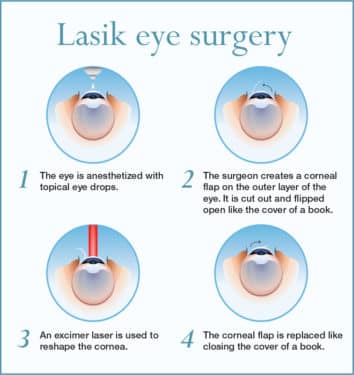
When considering vision correction methods, EVO ICL stands out for its unique advantages, particularly for individuals who may not be suitable candidates for LASIK. The EVO ICL is designed to address severe nearsightedness and astigmatism, conditions that can be difficult to correct with traditional LASIK. While LASIK reshapes corneal tissue to improve focus, EVO ICL works by inserting a lens behind the colored part of the eye, allowing for a non-permanent solution that does not alter the corneal structure.
Moreover, the post-operative experience with EVO ICL can differ significantly from LASIK. Patients typically report little pain and a quicker return to daily activities, although the ICL procedure does involve a more extended recovery period compared to LASIK. Importantly, EVO ICL is often favored by individuals with thinner corneas, as it does not compromise corneal tissue. This makes it a compelling choice for those who might be disqualified from LASIK due to corneal thickness issues.
While alternative procedures like SMILE (Small Incision Lenticule Extraction) have emerged, the EVO Implantable Collamer Lens remains a leading choice due to its versatility and effectiveness. SMILE is more gentle but generally limited to certain vision prescriptions, whereas EVO ICL accommodates a broader range of refractive errors. visit my web page should assess all these options based on their individual needs and preferences, discussing potential outcomes with their surgeons to reach an educated conclusion.
EVO ICL Cost and Results
The cost of EVO ICL surgery can fluctuate significantly depending on where it is performed, the surgeon's expertise, and the equipment used. On average, patients can look to to pay between 3,000 up to 5,000 dollars per eye. This price typically includes the initial consultation, the surgery itself, post-operative follow-ups, and any necessary enhancements. It's recommended to take into account the total cost, weighing it against the possible long-term benefits of permanent vision correction that the EVO ICL offers.
In terms of long-term outcomes, research demonstrates that the EVO ICL provides excellent visual acuity, stability, and patient satisfaction in the long run. Many patients claim achieving 20/25 vision or better, often needing no glasses or contact lenses. Studies have indicated that the EVO ICL is beneficial for correcting high myopia and astigmatism, making it a viable option for individuals who may not be ideal candidates for LASIK or PRK due to factors like corneal thickness.
In addition, the EVO ICL has demonstrated itself as safe, with a low incidence of issues and side effects. The implant is designed to be biocompatible and can be removed if necessary, offering a sense of security to patients. As with any surgical procedure, regular evaluations by eye care professionals can help ensure the best results, enabling patients to enjoy sustainable vision correction and enhance their quality of life for years to come.